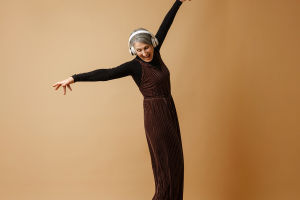
Have you ever noticed how a simple stretch or a few dance moves can instantly lift your mood? Many of us think of dancing as entertainment or exercise, but its benefits go much deeper.
Dance therapy, also known as movement therapy, has emerged as a powerful tool for mental well-being, showing that our bodies and minds are more connected than we often realize.
Understanding Dance Therapy
Dance therapy isn't about performing perfectly or memorizing steps. Instead, it's a therapeutic practice that uses movement to express emotions and process psychological experiences. By engaging the body in structured or free-form movement, individuals can explore feelings they might not be able to articulate verbally.
Research has found that dance therapy can improve mood, reduce symptoms of anxiety and depression, and even enhance cognitive functions. Unlike traditional talk therapy, dance therapy engages the whole person, combining physical, emotional, and social elements in a unique way.
Dance movement therapy (DMT) decreases depression and anxiety and increases quality of life and cognitive skills — Koch et al., Effects of Dance Movement Therapy and Dance on Health‑Related Psychological Outcomes: A Meta‑Analysis Update.
The Science Behind Movement and Emotion
1. Physical activity releases endorphins, which are natural mood enhancers. When you dance, your brain produces chemicals that reduce stress and create feelings of happiness.
2. Movement helps regulate the nervous system. Gentle, rhythmic motions can calm overactive stress responses and promote relaxation.
3. Expressing emotions through dance allows for emotional catharsis. Whether it's a flowing arm movement or a fast-paced spin, physical expression can release tension that words sometimes cannot.
These mechanisms explain why dance therapy can be particularly effective for people struggling with anxiety, depression, or trauma. It's not just the act of moving; it's how movement interacts with the brain to help manage emotions and improve psychological resilience.
Practical Ways to Use Dance for Mental Health
1. Daily Movement Breaks: Even a few minutes of freestyle dancing at home can relieve tension and improve focus. Play a favorite song and allow yourself to move freely.
2. Guided Dance Therapy Sessions: Working with a certified dance therapist can help individuals address specific emotional challenges. These sessions often combine movement, mindfulness, and reflection.
3. Community Dance Classes: Group classes provide social connection while offering a safe space for self-expression. Moving with others fosters empathy, reduces isolation, and can enhance overall well-being.
4. Mindful Dance Practices: Incorporate slow, intentional movements while focusing on breath and physical sensations. This approach blends elements of meditation with dance, promoting calmness and self-awareness.
Overcoming Common Misconceptions
Some people hesitate to try dance therapy, believing they “aren't good dancers.” In reality, skill or performance quality doesn't matter. Dance therapy is about authentic expression, not perfection. The focus is on how movement feels and what emotions it can reveal.
Another misconception is that dance therapy is only for people with severe mental health issues. In fact, it can benefit anyone seeking emotional balance, stress relief, or a deeper connection with their body. Even casual movement can have therapeutic effects.
Integrating Dance into Daily Life
For lasting benefits, consider incorporating dance into your routine. Start with short sessions, even five to ten minutes, and gradually explore longer periods of expressive movement. Experiment with different music styles, tempos, and movements to discover what resonates with you emotionally. Journaling after a dance session can also help process feelings and track emotional shifts over time.
Final Thoughts
Dance therapy reminds us that mental health isn't just a cognitive process—it's deeply physical. By moving our bodies, we can release tension, express complex emotions, and reconnect with ourselves in meaningful ways. You don't need a studio, a partner, or advanced skills; all you need is space, music, and the willingness to move.
Next time stress or anxiety feels overwhelming, consider turning on your favorite song and letting your body lead. You might be surprised at how a few minutes of dance can lighten your mood, clarify your thoughts, and restore a sense of balance. Dance isn't just art—it's a pathway to emotional well-being.