You've probably heard it a thousand times: wear sunscreen. It's the easiest step in a skincare routine that can save your skin from damage down the road.
But do you really know what sunscreen does, how to choose the right one, or how to use it properly? Let's break it down and make sure you're not skipping this essential step.
What Sunscreen Does for Your Skin?
Sunscreen is more than just a product you slap on before hitting the beach. It's your skin's shield against the sun's harmful ultraviolet (UV) rays. Without it, you're exposed to UV radiation that can cause sunburn, accelerate aging, and increase your risk of skin cancer.
Protects Against UV Rays
Sunscreen is formulated to protect you from two main types of UV radiation: UVA and UVB. UVA rays reach deeper into the skin and are primarily responsible for premature aging and wrinkles, while UVB rays cause sunburn and are linked to skin cancer.
Prevents Skin Damage
Constant exposure to the sun without sunscreen damages the skin's DNA, leading to wrinkles, pigmentation, and other signs of aging. It also weakens the skin's natural barrier, making it more susceptible to infections and irritations.
Why SPF Matters?
You've probably seen numbers like SPF 30, 50, or 100 on your sunscreen bottle and wondered what it all means. SPF, or Sun Protection Factor, measures how well a sunscreen will protect your skin from UVB rays, the ones that cause sunburn.
Understanding SPF
The higher the SPF, the more protection it provides. For instance, SPF 30 blocks about 97% of UVB rays, while SPF 50 blocks 98%. So, while SPF 100 might seem like a miracle, it's only marginally better than SPF 50. A higher SPF doesn't mean you can stay out in the sun longer—it's still important to reapply every two hours or after swimming.
How Much SPF Do You Need?
Dr. Shari Lipner, associate professor of clinical dermatology at New York-Presbyterian/Weill Cornell Medical Center, says that dermatologists generally recommend using a sunscreen with at least SPF 30 for everyday protection because it blocks about 97 % of UVB rays, which are responsible for sunburn and contribute to skin cancer and aging. For people who will be outdoors for long periods, in high UV conditions, or who burn easily, higher SPF sunscreens (like SPF 50 or above) provide an extra margin of safety, though the incremental benefit is smaller than most people think.
Different Sunscreens for Different Needs
There's no one-size-fits-all when it comes to sunscreen. Whether you have oily, dry, or sensitive skin, the right sunscreen for you depends on your skin type and your activity level.
For Oily Skin
If you have oily or acne-prone skin, look for sunscreens labeled "oil-free" or "non-comedogenic." These formulas are lightweight and won't clog your pores. Gel-based sunscreens are a great option because they feel refreshing and won't leave your skin feeling greasy.
For Dry Skin
For dry skin, choose sunscreens with hydrating ingredients like hyaluronic acid or glycerin. These will help lock in moisture while protecting your skin. A cream or lotion-based sunscreen might be best for keeping your skin hydrated throughout the day.
For Sensitive Skin
Sensitive skin can react to chemical sunscreens, so mineral sunscreens with zinc oxide or titanium dioxide are the best choice. These physical sunscreens sit on top of the skin and reflect the UV rays away. They're often less irritating and suitable for people with rosacea or eczema.
How to Apply Sunscreen Effectively?
Applying sunscreen might seem like a simple task, but it's easy to make mistakes that reduce its effectiveness. Here's how to make sure you're applying it properly.
Use Enough
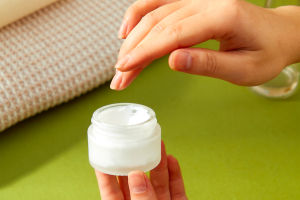
Most people don't use enough sunscreen. You should apply about a nickel-sized amount to your face and roughly a shot glass worth for your entire body. Don't forget spots like your ears, neck, and the backs of your hands, which are often neglected but equally exposed to the sun.
Apply Early and Reapply
Sunscreen needs time to absorb and start working, so apply it at least 15-30 minutes before heading outside. And remember, it wears off after two hours or so, especially if you're sweating or swimming. Reapply every two hours for optimal protection, and more often if you're getting wet.
Tips for Choosing the Right Sunscreen
With so many options on the market, choosing the right sunscreen can be overwhelming. Here's a quick guide to help you make a decision that fits your lifestyle.
Check for Broad-Spectrum Protection
Make sure your sunscreen is labeled “broad-spectrum,” meaning it protects against both UVA and UVB rays. This ensures full coverage and minimizes skin damage.
Consider Water Resistance
If you're planning to swim, work out, or sweat a lot, choose a water-resistant sunscreen. While no sunscreen is truly "waterproof," water-resistant ones will hold up longer in the water and during intense sweating.
Go for a Formula You'll Love
The best sunscreen is the one you'll actually use, so find one with a texture and scent that you enjoy. Whether you prefer a matte finish, a dewy glow, or something fragrance-free, there's a sunscreen out there for everyone.
Wrapping Up: Sunscreen Is Non-Negotiable
Wearing sunscreen is one of the simplest yet most important things you can do to protect your skin. It's not just about preventing sunburn—it's about keeping your skin healthy, youthful, and safe from the harmful effects of the sun's rays. So, next time you head out, make sure sunscreen is part of your routine. Your skin will thank you!