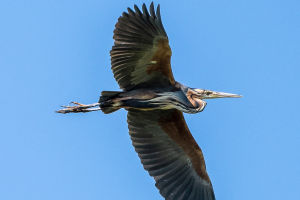
Have you ever spotted a bird so strikingly beautiful that it almost seems unreal?
The roseate spoonbill is one of those creatures. With its bright pink feathers, long, slender neck, and unique spoon-shaped bill, it looks like something straight out of a painter's imagination. But beyond its vivid colors, the roseate spoonbill is also a master of its environment, showcasing behaviors and adaptations that make it an incredibly fascinating bird.
The Stunning Appearance of the Roseate Spoonbill
The roseate spoonbill is impossible to miss. Its eye-catching plumage, which ranges from soft pink to deeper rose hues, is one of the most striking features of this bird.
Feather Coloration: The spoonbill's bright pink feathers come from pigments in its diet, particularly carotenoids found in crustaceans like shrimp and other small marine creatures. The more carotenoids they consume, the more vibrant their plumage becomes. This vibrant color is used during mating displays, as males with brighter feathers tend to attract more mates.
Unique Bill Shape: The most distinctive feature of the spoonbill is its long, flat, spoon-shaped bill. This unique bill allows the bird to sweep through shallow waters in search of food, making it an excellent forager. The bill is sensitive to touch, helping the bird detect prey even in murky water.
Graceful Stature: With its long neck, slender legs, and elegant posture, the roseate spoonbill appears almost regal as it wades through wetlands. Its height and grace add to its natural charm, making it an unforgettable sight in its native habitats.
This combination of bold color and distinct features makes the roseate spoonbill a true beauty of the bird world.
<h3.Food and Feeding Habits
What truly makes the roseate spoonbill a fascinating bird is its unique feeding behavior. Its method of hunting in shallow waters is one of the most captivating aspects of its life.
Sifting for Food: The spoonbill's feeding technique is as unique as its bill. It uses its spoon-shaped beak to sweep from side to side in shallow water, searching for fish, crustaceans, and small invertebrates. As it sweeps, the bill is highly sensitive and can detect the slightest movement of prey. This technique allows the spoonbill to find food in water that may seem barren to other animals.
Diet Preferences: While its diet is diverse, the roseate spoonbill's primary food sources are small fish, crustaceans, and mollusks. These provide not only essential nutrients but also the carotenoids that contribute to the bird's brilliant plumage. They are especially fond of shrimp, which are high in the pigments that give their feathers their beautiful color.
Feeding Areas: Roseate spoonbills are commonly found in wetlands, mangroves, and coastal areas. These habitats provide the ideal environment for foraging, as they are rich in the small aquatic creatures the spoonbills seek. The shallow, murky waters allow them to use their bill effectively while remaining hidden from predators.
The spoonbill's ability to forage in such a unique way makes it a fascinating and well-adapted species for life in wetlands.
<h3.Nesting and Reproductive Behavior
The roseate spoonbill is not only a marvel to look at, but its nesting habits are also intriguing. These birds form colonies, and their courtship rituals are as vivid as their colors.
Building Nests: Roseate spoonbills build their nests in trees or shrubs, often in the company of other wading birds. These nests are made of twigs, branches, and leaves, carefully arranged to create a secure home for their eggs. The nests are often located near water, providing easy access to food for the parents.
Courtship Displays: The courtship rituals of roseate spoonbills are truly remarkable. During mating season, males perform a series of displays to attract females. These displays may include elaborate aerial maneuvers and the offering of twigs to the female, a sign of affection and commitment. The males with the brightest plumage and most impressive displays are typically the ones who attract mates.
Raising the Young: After mating, the female will lay a clutch of one to three eggs. Both parents take turns incubating the eggs and keeping them warm. Once the chicks hatch, both parents are involved in feeding and protecting them. The young spoonbills are fed regurgitated food and are cared for until they are ready to fly and fend for themselves.
These nesting and reproductive behaviors ensure that the roseate spoonbill continues to thrive in its natural habitats, raising the next generation of these magnificent birds.
<h3.Adaptability to Changing Environments
The roseate spoonbill is adaptable and can be found in a variety of environments, from coastal marshes to freshwater wetlands. This flexibility helps the species survive in a changing world.
Habitat Diversity: While they are often associated with coastal marshes and mangroves, roseate spoonbills are also found in inland wetlands, floodplains, and even artificial habitats like rice paddies. This ability to adapt to different environments has helped them thrive in various regions.
Migration Patterns: While some populations of roseate spoonbills are sedentary, others migrate seasonally, moving from breeding areas to feeding grounds as necessary. This migration is often influenced by food availability and seasonal changes in water levels.
Impact of Conservation Efforts: In some areas, conservation programs have helped restore wetlands and other habitats critical to the spoonbill's survival. As wetlands continue to be preserved and restored, the roseate spoonbill's population is benefiting from these efforts.
The adaptability of the roseate spoonbill to different environments and its resilience in the face of changing landscapes make it a true survivor in the bird world.
The roseate spoonbill is a living masterpiece of nature. With its brilliant feathers, graceful movements, and unique feeding habits, it stands out as one of the most fascinating birds in wetland ecosystems. Whether you're lucky enough to spot one in the wild or simply admire its beauty from afar, this bird offers a reminder of how diversity and adaptability in nature create some of the world's most stunning creatures. Keep an eye out the next time you're near a wetland—this vibrant bird may just be flying overhead.