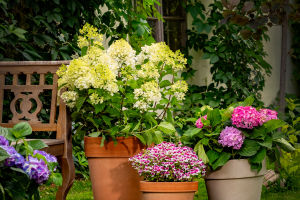
Walking into a room with flowers can instantly lift your mood, make a space feel lively, and even spark creativity. But creating a floral arrangement that looks effortless yet polished is an art.
Whether you're decorating your living room, office, or a special event, understanding flower design can transform ordinary blooms into a statement piece.
Choosing the Right Flowers
Selecting flowers is the foundation of any design. Consider the colors, textures, and shapes to create a harmonious look.
1. Color combinations matter. Pair soft pastels like ranunculus and pale roses for a delicate, calming effect, or mix bold colors like orange lilies and deep purple irises for energy.
2. Texture adds depth. Combine fluffy blooms, like hydrangeas, with spiky greenery, like eucalyptus or thistle, to create contrast.
3. Seasonal blooms keep arrangements fresh and cost-effective. Using flowers at their peak ensures vibrant colors and longer-lasting petals.
Actionable example: Start with a base of greenery like eucalyptus or ferns, then layer mid-sized blooms like tulips, and finally add smaller accent flowers such as daisies to fill gaps and create visual interest.
Understanding Shape and Structure
The shape of your arrangement guides the viewer's eye and impacts the overall aesthetic.
1. Symmetrical designs feel formal and balanced, perfect for dining tables or formal events.
2. Asymmetrical arrangements offer a modern, natural look, drawing attention to focal points while maintaining a relaxed vibe.
3. Triangular or pyramid shapes provide height and structure, making arrangements stand out in larger spaces.
Actionable example: Use a tall vase for a triangular design by placing longer stems in the center and gradually shorter stems around the edges to create a stable, visually appealing structure.
Layering and Depth
Layering flowers and foliage creates depth, making arrangements appear more dynamic.
1. Place heavier, larger flowers at the bottom or center to anchor the arrangement.
2. Medium blooms should fill the midsection, while lighter, delicate flowers can sit at the top or edges for a sense of movement.
3. Greenery should weave throughout to unify the arrangement and provide contrast.
Actionable example: In a mixed bouquet, start with a base of ferns, layer roses and tulips in the middle, and finish with sprigs of baby's breath on top to give a soft, airy finish.
Choosing Vases and Containers
The container can complement or define the arrangement.
1. Clear glass vases allow you to showcase stems, creating a clean, modern look.
2. Ceramic or textured vases add character and can match room decor.
3. Shallow bowls are ideal for wide, low arrangements, perfect for coffee tables or sideboards.
Actionable example: For a casual living room arrangement, select a mid-height ceramic vase and place greenery at the base. Layer colorful blooms like ranunculus and tulips to create a full, rounded display.
Maintenance for Longevity
Keeping flowers fresh extends the life of your design.
1. Trim stems at an angle every few days to improve water absorption.
2. Change water regularly and clean the vase to prevent bacterial growth.
3. Remove wilted leaves and petals to maintain a polished appearance.
Actionable example: For a week-long display, add a teaspoon of sugar to the water and keep the vase away from direct sunlight to slow wilting.
Personalizing Your Arrangements
Adding personal touches makes your floral design unique.
1. Incorporate small branches, herbs, or even fruit for texture and scent.
2. Match flowers to room colors or seasonal themes for cohesion.
3. Experiment with height, focal points, and asymmetry to reflect your style.
Actionable example: Place a few sprigs of lavender or rosemary alongside soft roses in a kitchen arrangement to add fragrance while complementing the color scheme.
Arranging flowers is more than just placing blooms in a vase; it's about creating a mood, telling a story, and making a space feel alive. With a thoughtful selection of colors, textures, and shapes, anyone can transform ordinary flowers into extraordinary designs. The next time you bring flowers home, take a few extra moments to play with layers, structure, and personalization—you might be surprised how a simple bouquet can redefine a room.