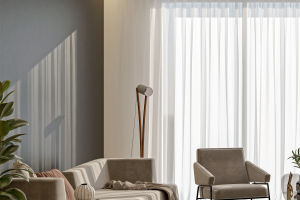
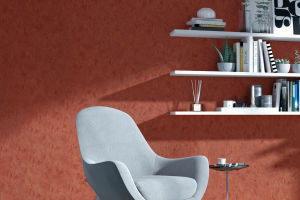
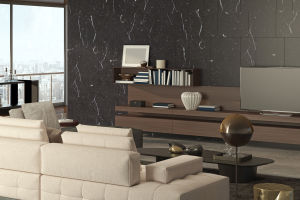
Stepping into a space that immediately feels luxurious is about more than expensive materials—it's the way every detail works together to create comfort, style, and a sense of exclusivity.
Luxury in interior design comes from a balance of quality, cohesion, and thoughtful touches that elevate everyday living.
Understanding how to combine textures, lighting, and layout can help any home reflect sophistication without feeling cold or overdone.
Choosing High-Quality Materials
Luxury starts with the materials that form the backbone of your space. High-quality finishes give both visual appeal and durability.
1. Natural surfaces – Marble countertops, hardwood floors, and stone tiles provide a rich texture and timeless elegance.
2. Premium fabrics – Silk curtains, linen upholstery, and wool rugs add softness while signaling quality.
3. Attention to detail – Finishing touches like solid brass handles or seamless cabinetry make a subtle yet noticeable difference.
Actionable example: When selecting flooring, invest in wide-plank hardwood with a smooth, natural finish. It instantly adds warmth and sophistication compared to standard laminate.
Lighting That Enhances the Space
Lighting is more than functional—it sets the mood and highlights design features, creating a sense of luxury.
1. Layered lighting – Combine ceiling fixtures, wall sconces, and floor lamps to provide depth and flexibility.
2. Statement pieces – A chandelier or sculptural lamp can become a focal point that elevates the entire room.
3. Natural light integration – Large windows, skylights, or glass doors create openness and a connection with the outdoors.
Pro tip: Use dimmers to adjust the lighting according to time of day or activity. This allows you to create intimate or lively atmospheres without major changes.
Thoughtful Color and Texture
The right colors and textures create a cohesive, polished look. Luxury often lies in subtle contrasts and harmony rather than flashy combinations.
1. Neutral foundations – Soft beiges, grays, and whites provide a calm, sophisticated base.
2. Accent textures – Velvet cushions, textured wallpaper, or brushed metals add interest without overwhelming the senses.
3. Consistent palette – Carry colors across furniture, accessories, and wall tones for a unified effect.
Example: Combine a soft gray sofa with brass accents and a deep navy rug. The muted base with contrasting textures gives depth and refinement.
Furniture and Layout
How you furnish and arrange your space contributes to both comfort and a sense of grandeur.
1. Scaled appropriately – Choose furniture that fits the room's proportions; oversized pieces can feel imposing, while undersized items look cheap.
2. Clean lines and symmetry – Balanced arrangements with symmetry convey order and intentional design.
3. Comfort as a priority – Plush seating and ergonomic designs make spaces luxurious because they are enjoyable to use.
Actionable tip: Place two matching armchairs flanking a central coffee table with a low-profile sofa across from them. This creates an inviting and structured seating area that looks deliberate and high-end.
Finishing Touches and Personalization
Luxury isn't only about big elements—it's the curated details that make a home feel distinctive and complete.
1. Art and décor – Choose pieces that resonate with your style, whether sculptures, paintings, or designer vases.
2. Layered accessories – Books, candles, and textiles add personality without clutter.
3. Cohesive design elements – Mirrors, metallic finishes, and coordinated hardware tie rooms together elegantly.
Example: Display a small collection of ceramic vases in varying heights on a console table. It adds sophistication without overwhelming the space, demonstrating intentional luxury.
Creating a luxurious home is about balance—high-quality materials, thoughtful lighting, harmonious colors, well-chosen furniture, and curated accessories all work together. True luxury combines visual elegance with comfort, making every corner inviting and refined. By focusing on these elements, you can transform ordinary rooms into spaces that feel carefully crafted, stylish, and unmistakably high-end, leaving both residents and guests with a lasting impression of sophistication.