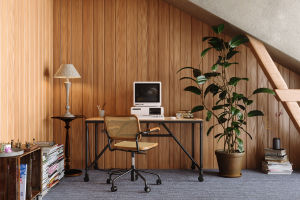
Walking into a living room should feel like a hug at the end of a long day. The right design can instantly make a space feel comforting, where people naturally gather and unwind.
Achieving that cozy vibe isn't just about picking soft furniture—it's about layering textures, colors, and lighting to create a space that feels lived-in and welcoming.
Warm Color Palettes
Colors set the mood of a room instantly. Soft neutrals like beige, taupe, and creamy white create a calm backdrop, while warmer tones like terracotta, muted mustard, or soft coral add inviting warmth.
Tips for implementation:
1. Paint the walls in a soft neutral and bring warmth through accent pieces like throw pillows, rugs, or curtains.
2. Mix tones rather than using a single shade; for example, a beige sofa with rust-colored cushions feels layered and rich.
3. Test small patches on the wall first; colors look different depending on lighting.
Layered Textures
Texture makes a room tactile and visually interesting. Combining soft fabrics, natural fibers, and smooth surfaces creates depth that invites touch and comfort.
Ideas to try:
1. Use a plush rug under a coffee table to add softness underfoot.
2. Mix cushions in velvet, cotton, and knitted fabrics for a relaxed, layered look.
3. Include natural elements like wooden furniture or woven baskets to contrast soft textiles.
Lighting for Comfort
Lighting can transform a space from cold and clinical to warm and welcoming. Avoid relying solely on overhead lights, which can feel harsh.
Actionable steps:
1. Introduce multiple light sources at different levels: table lamps, floor lamps, and wall sconces.
2. Use warm-toned bulbs rather than cool white for a more inviting glow.
3. Consider dimmers to adjust brightness according to mood and activity.
Functional and Inviting Furniture
Furniture should encourage people to relax and stay. The right proportions and arrangements make a room feel both cozy and practical.
Implementation tips:
1. Choose a sofa that's deep enough for lounging but fits the room scale.
2. Arrange seating in conversational clusters rather than lining everything against walls.
3. Include versatile pieces like ottomans or poufs that double as extra seating.
Personal Touches
A space becomes truly cozy when it reflects the people living there. Personalized elements make a room feel loved rather than staged.
Ways to add personality:
1. Display framed photos, meaningful artwork, or collections that tell a story.
2. Incorporate books, candles, and small décor items that reflect your lifestyle.
3. Rotate seasonal decorations or textiles to keep the room feeling fresh and welcoming.
Natural Elements
Bringing in elements from nature helps create a calming, grounded atmosphere. Plants, natural wood, and even water features can subtly enhance coziness.
Practical examples:
1. Place potted plants near seating areas or windows for a touch of greenery.
2. Use wooden coffee tables, shelves, or frames to add warmth and texture.
3. Consider small indoor fountains or bowls with stones to introduce gentle natural sounds.
Creating a Relaxing Atmosphere
Ultimately, a cozy living room feels comfortable, not perfect. Comfort comes from thoughtful layers, practical furniture, and a soft ambiance that encourages relaxation.
Final tips:
1. Avoid clutter but keep everyday items accessible—blankets, books, and trays make the space lived-in.
2. Choose scents or candles that subtly enhance the mood without overwhelming the room.
3. Adjust layouts seasonally; shifting furniture near windows for sunlight can refresh the space instantly.
Designing a cozy living room is about balance. Warm colors, layered textures, soft lighting, and personal touches work together to create a space that feels naturally inviting. When you enter the room, you should feel a sense of calm and a subtle pull to stay awhile. With attention to detail and thoughtful additions, your living room can become a true sanctuary for both family and friends.