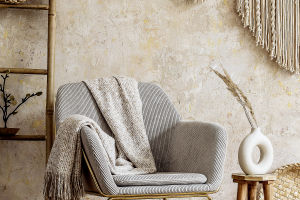
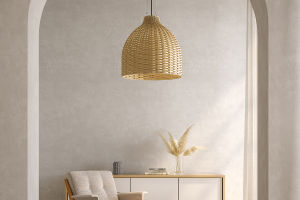
Have you ever stepped into a home that instantly felt both chic and inviting, making you want to linger in every corner?
Achieving that balance between style and comfort is the heart of modern interior design.
It's not just about high-end furniture or trendy colors—it's about crafting spaces that reflect personality, encourage relaxation, and feel welcoming. As Dieter Rams put it, “Less, but better.”
Color Palettes and Atmosphere
1. Neutral Bases with Accent Colors
Start with neutral shades for walls, floors, and large furniture pieces. Soft grays, creams, and warm whites provide a calming backdrop. Introduce accent colors through cushions, rugs, or wall art to add personality without overwhelming the senses. For example, a muted beige sofa paired with emerald green cushions creates a stylish yet cozy feel.
2. Warm Tones for Comfort
Incorporate warm tones such as soft browns, terracotta, or mustard to make spaces feel inviting. Wooden furniture, woven baskets, and leather elements enhance this effect, grounding the room with natural warmth. Layering textures in these hues adds depth and tactile appeal.
3. Harmonizing Patterns
Patterns can energize a space but should be used thoughtfully. Mix subtle stripes, geometric shapes, or floral motifs on textiles to create visual interest while maintaining harmony. Avoid excessive clashing to keep the environment relaxing.
Furniture Choices and Layout
1. Functional and Stylish Pieces
Select furniture that balances form and function. A sleek sofa with deep seating, a stylish bench with storage, or a modern dining table with extendable leaves ensures practicality without sacrificing aesthetics. Multifunctional pieces help maintain a clean, uncluttered look.
2. Thoughtful Space Planning
Arrange furniture to encourage conversation and flow. Leave open pathways and avoid overcrowding. For example, positioning a sofa perpendicular to a window invites natural light while creating a cozy reading nook in the corner.
3. Layered Lighting
Combine ambient, task, and accent lighting to enhance both style and comfort. A central pendant lamp provides general illumination, while floor lamps and table lamps create intimate corners. Dimmable lighting adds versatility, allowing rooms to shift from bright and social to soft and calming.
Textures, Accessories, and Personal Touches
1. Mixing Materials
Blend materials like wood, metal, glass, and fabric to create a rich sensory experience. A wooden coffee table paired with a metal floor lamp and a plush wool rug adds dimension while keeping the space inviting.
2. Soft Furnishings for Warmth
Throw blankets, cushions, and area rugs not only provide comfort but also introduce color and texture. Choose fabrics such as cotton, linen, or faux fur to enhance coziness while reflecting personal style.
3. Curated Decor
Artworks, family photos, and decorative objects personalize the space. Displaying a few meaningful items rather than overcrowding surfaces helps the room feel curated and intentional. Plants can bring life and a calming presence to interiors.
Balancing Minimalism and Personality
1. Declutter and Prioritize
Chic spaces often embrace minimalism. Focus on essentials, keeping surfaces clean and organized while highlighting statement pieces.
2. Signature Pieces
Introduce one or two standout elements, such as an oversized painting, a designer chair, or a unique chandelier. These items create a focal point while allowing the rest of the decor to remain understated and cozy.
3. Adaptive Design
Adapt your design choices to your lifestyle. A home should be stylish yet comfortable enough to support everyday activities, whether that's working from home, entertaining friends, or simply unwinding after a long day.
Final Thoughts
Stylish and cozy interiors are achievable when design choices balance aesthetics with comfort. From warm color palettes and layered textures to functional furniture and personal touches, each element contributes to a harmonious environment. Take time to curate spaces that reflect your personality and lifestyle, and don't shy away from mixing trends with timeless pieces. Your home should feel like a sanctuary—a place where style meets serenity, inviting both relaxation and inspiration.