Mia used to think that "living well" meant shopping more. Every month she bought a new bag or skincare product to chase the version of herself she saw on social media. But behind the scenes?
She was stressed about credit card bills and surrounded by clutter she didn't even use.
One day, she stopped buying and started editing.
She sold half her wardrobe, unsubscribed from flash sale apps, and swapped "owning more" for "experiencing better." Six months later, she wasn't just spending less—she felt more in control, more intentional, and oddly… more luxurious.
Welcome to the kind of minimalism that's not about self-denial, but about conscious living.
Because let's be honest: minimalism has a branding problem. People hear it and think of empty rooms, one pair of shoes, and saying no to everything fun. But real minimalism isn't about cutting joy—it's about cutting waste. Financially, emotionally, mentally.
Joshua Becker, a personal finance author and founder of Becoming Minimalist, states that "The first step in crafting the life you want is to get rid of everything you don't."
And no, you don't have to move to the woods or meditate on a floor mat to live this way. Here are five real-life experiments that prove minimalism can actually feel more indulgent.
Rent the Dream, Don't Buy the Hype
Instead of spending $2,000 on a designer bag you'll use three times a year, try renting it.
Luxury rental platforms now let you borrow high-end fashion, accessories, and even watches for a fraction of the cost. It gives you the feeling of luxury—without the long-term financial or physical clutter.
You get the experience, not the burden. Want variety? Swap it out. Done with trends? Let them go.
This works for other categories too: furniture, tech gadgets, even art. Rent it, enjoy it, return it. No guilt.
Downsize the Closet, Upgrade the Look
You don't need more clothes. You need the right ones that fit, flatter, and make you feel confident every time.
Try this: limit your closet to 30 pieces total for one month—including shoes and outerwear. It forces you to identify what you actually love wearing, and ditch what just takes up space.
Surprise bonus? With fewer options, you start dressing better. Less decision fatigue. More personal style.
Share, Don't Own
Mia started using a shared kitchen studio for her baking side hustle instead of renting her own space. Total monthly savings: over $600.
The sharing economy isn't just for cars and apartments anymore. You can now co-use workspaces, tools, storage units, even gyms in small groups.
Why buy everything yourself when you can share the cost and keep your freedom?
Look around: that camera you'll use once a year, the pasta machine you tried once—do they really need to live in your cabinet full-time?
Cut One Expense, Add One Experience
Minimalism isn't about removing—it's about replacing.
Pick one recurring expense you barely enjoy (daily takeout, subscription boxes, another streaming service) and cancel it for a month.
Then, use that same money to fund something meaningful:
• Try a pottery class
• Take yourself to a solo brunch with no phone
• Send flowers to a friend for no reason
The goal: spend less, feel more.
Curate, Don't Accumulate
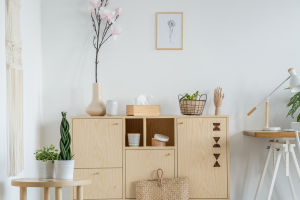
What if your home felt like a boutique hotel? Not fancy—but calm, considered, and clutter-free.
Walk through your living space this weekend and remove 10 things that don't add value or beauty. Outdated decor, random gadgets, stuff you meant to fix but never did.
Then, take one area—a shelf, a desk, a corner—and redesign it with just a few items that make you feel grounded.
It's not about aesthetics for social media. It's about creating micro-environments that support your energy, not drain it.
Less Stuff. More Taste.
Minimalism, when done right, isn't about living with nothing. It's about living with only what lifts you.
It's the opposite of cheap. It's thoughtful. Clean, not sterile. Spacious, not empty.
And yes—it can absolutely feel luxurious when you stop confusing spending with satisfaction.
So the next time you think you need more to feel more… maybe you just need less, but better.
What's one thing you could let go of this week to make room for something finer?