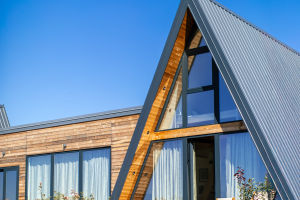
When you walk into a building, the materials used on the floors, walls, and ceilings immediately make an impression.
Whether it's a shiny marble counter or a warm wooden floor, the materials chosen directly affect how a space feels and functions. Before you even consider aesthetics, it's essential to understand the purpose of each material.
Different areas in a building have different needs. For example, a kitchen or bathroom needs durable, water-resistant materials like tile or stone to withstand moisture, while living areas might prioritize comfort and warmth with softer finishes like carpets or wood. Start by considering the functional requirements of each space before diving into the style.
Balancing Aesthetics and Durability
The right balance between beauty and practicality is key when selecting building materials. It's tempting to choose something that looks great, but it needs to hold up over time. Take hardwood flooring, for example—it looks stunning and adds warmth to a room, but it can be prone to scratching and water damage. If durability is a priority, you might consider engineered wood or bamboo as alternatives.
On the flip side, some materials are durable but lack character or style. Think concrete: it's incredibly tough but might not be ideal for every design. The goal is to choose materials that are both practical and in line with your aesthetic vision.
Considering Maintenance Requirements
Some materials are high-maintenance, while others practically take care of themselves. For instance, natural stone, while gorgeous, often requires sealing and regular cleaning to keep it looking pristine. On the other hand, materials like vinyl or laminate are low-maintenance and can be cleaned easily.
When choosing materials, always consider the time and effort you're willing to spend on upkeep. For a busy family home, easy-to-clean materials might be the best option. However, if you're designing a space that will be used less frequently, you might be willing to invest more in higher-maintenance materials.
Environmental Impact and Sustainability
Today, sustainability is a major concern when choosing building materials. Opting for eco-friendly materials not only helps the planet but can also improve a building's energy efficiency. Materials like recycled glass, bamboo, and low-VOC (volatile organic compound) paints can reduce your environmental footprint.
Another important factor is sourcing. Materials that are locally sourced have a lower carbon footprint since they don't need to be transported long distances. Look for companies that prioritize sustainability, whether through their manufacturing processes or their commitment to using renewable resources.
Budget Considerations
Budget is often one of the most important factors in choosing building materials. While it might be tempting to splurge on luxurious materials, it's essential to stay within your financial limits. There are plenty of ways to get the high-end look for less money—laminate and engineered materials can give you the appearance of expensive wood or stone without the hefty price tag.
When making decisions, consider both the short-term and long-term costs. For instance, while a cheap, low-quality material might save you money now, it may require repairs or replacement sooner, costing you more in the long run.
Choosing Materials for Climate and Location
The location and climate of your building will play a huge role in determining the best materials to use. In humid climates, moisture-resistant materials like ceramic tile or fiberglass might be better choices. For buildings in colder regions, insulating materials like double-glazed windows or thick insulation can help reduce heating costs.
It's also important to consider the surrounding environment. In coastal areas, materials like stainless steel or treated wood can withstand saltwater corrosion. In areas with high fire risk, non-combustible materials like brick, concrete, and metal may be better suited for the exterior.
Getting Creative with Material Combinations
One of the most fun parts of choosing building materials is getting creative with combinations. Layering different textures and finishes can elevate a space's design. For example, pairing polished concrete floors with wooden accents can create a sleek yet warm industrial look. Alternatively, combining glass with metal can create a modern, minimalist feel.
Don't be afraid to experiment, but remember that the materials you choose should still complement each other. The right mix can transform a space from ordinary to extraordinary.
Final Thoughts
Choosing the right materials is a critical step in the building design process. It requires a careful balance of aesthetics, functionality, and budget considerations. While it's easy to get swept up in trends or luxury finishes, remember that the best materials are those that meet the needs of the space, fit your budget, and align with your long-term vision for the building.
Taking the time to make thoughtful choices will result in a space that's not only beautiful but practical and sustainable as well.
Let your material choices reflect the vision you have for the space, while always keeping in mind how the materials will perform over time.