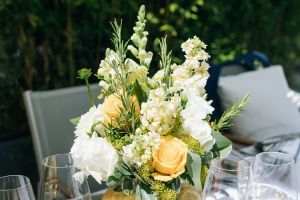
A bouquet of roses can say a lot without a single word. From a quiet gesture of appreciation to a bold expression of emotion, roses carry meanings shaped by color, number, and even how they are presented.
That's why they remain one of the most recognized flowers in gifting culture—simple in form, but rich in meaning.
The Language of Roses
Each rose color has its own symbolic tone, often used to express different feelings.
Common meanings include:
• Red roses: deep affection and strong emotional connection
• White roses: purity, respect, and calm sincerity
• Pink roses: gratitude, admiration, and gentle affection
• Yellow roses: friendship and cheerful warmth
• Orange roses: energy, enthusiasm, and admiration
These meanings are not strict rules, but they help guide thoughtful selection.
Number of Roses Matters
Beyond color, the number of roses also adds subtle meaning to a bouquet.
Typical interpretations:
• 1 rose: simple admiration or focused attention
• 3 roses: “I care about you”
• 6 roses: growing connection or fondness
• 12 roses: completeness and appreciation
• 24 roses: strong, lasting sentiment
Even small arrangements can feel meaningful when chosen with intention.
When to Give Roses
Roses are versatile and fit many occasions, not just romantic moments.
Suitable situations include:
• Celebrating personal milestones
• Expressing gratitude
• Offering support during meaningful life events
• Marking special gatherings or visits
• Simple everyday appreciation
The key is not the occasion itself, but the thought behind it.
Presentation and Style
How roses are arranged changes their overall impression. Presentation adds emotional tone to the gift.
Common styles:
• Single-stem presentation for simplicity
• Hand-tied bouquets for a natural look
• Box arrangements for elegance and structure
• Mixed floral combinations for variety
Details like wrapping color and ribbon style can subtly influence the message.
Flower-Giving Etiquette
Giving flowers is not just about selection—it also involves timing and awareness.
Helpful etiquette tips:
• Present flowers in good condition, freshly arranged
• Avoid overly large bouquets in casual settings
• Consider the recipient's personal preferences
• Hand them directly when possible for a personal touch
• Include a short note if the meaning is important
These small gestures make the gift feel more thoughtful.
Common Misunderstandings
Roses are often interpreted differently depending on context, so clarity helps avoid confusion.
1. Color assumptions
Not everyone attaches the same meaning to each color.
2. Overly large arrangements
Bigger is not always better; simplicity can feel more sincere.
3. Ignoring personal taste
Some people prefer subtle or minimal floral styles.
4. Lack of context
A bouquet without context may be misinterpreted.
Choosing the Right Roses
Selecting roses becomes easier when focusing on intention rather than complexity.
Consider:
• The message you want to express
• The recipient's personality
• The setting or occasion
• Simplicity over excess decoration
A thoughtful choice often matters more than size or cost.
Final Reflection
Roses remain timeless because they balance beauty and meaning in a single form. Whether it's a single stem or a full bouquet, the message depends on how it's chosen and presented. Understanding their symbolism and etiquette turns flower-giving into something more intentional—less about decoration, and more about quiet communication that feels personal and sincere.