I remember walking through my neighborhood park and spotting a hedgehog shuffling along a trail. It paused, sniffed the air, and disappeared into the bushes.
Most people barely noticed, yet that little creature was part of a bigger story—a story of balance, survival, and the hidden connections between humans and wildlife.
Protecting local animals isn't just about saving them; it's about preserving the ecosystems we live in and the subtle rhythms that make our surroundings vibrant.
Maintaining Ecosystem Balance
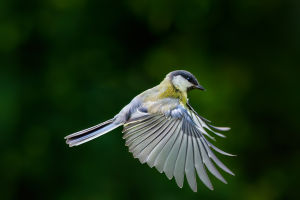
Local wildlife plays a key role in keeping ecosystems healthy. Birds, insects, and small mammals perform essential tasks that often go unnoticed.
1. Predatory insects control pests naturally, reducing the need for chemicals.
2. Birds and bats disperse seeds, helping plants reproduce and maintain green spaces.
3. Soil dwellers, like worms, aerate soil and recycle nutrients for plants.
Actionable example: Plant native flowers and shrubs in your backyard. These provide food and shelter, encouraging beneficial insects and birds that contribute to a balanced ecosystem.
Supporting Local Biodiversity
Each species adds a unique thread to the ecological fabric. Losing even small local species can ripple outward, affecting larger animals and plant life.
1. Pollinators like bees and butterflies ensure flowers and crops can reproduce.
2. Amphibians help control mosquito populations, limiting disease spread.
3. Small mammals serve as prey for larger wildlife, maintaining food chains.
Actionable example: Participate in a local “wildlife count” or citizen science project to track species in your area. Observing patterns helps communities protect vulnerable populations.
Enhancing Human Well-Being
Local wildlife isn't just beneficial ecologically—it improves human life. Watching animals, listening to birds, and noticing insects in the garden create mental and emotional benefits.
1. Observing nature reduces stress and encourages mindfulness.
2. Wildlife in parks and neighborhoods increases recreational enjoyment.
3. Exposure to diverse species teaches children curiosity and respect for life.
Actionable example: Set up a bird feeder or small pond in your yard. These attract wildlife, giving you daily opportunities to connect with nature and notice seasonal changes.
Preventing Conflicts Through Awareness
Protecting local wildlife also means reducing conflicts that arise when animals interact with humans. Education and planning make cohabitation safer for both.
1. Secure trash bins prevent scavenging by raccoons or foxes.
2. Keeping pets indoors during peak nesting seasons avoids disturbing local birds.
3. Planting buffer zones along roads or paths reduces collisions with small mammals.
Actionable example: Share simple wildlife safety tips with neighbors, like covering compost bins or leaving wildflowers along property edges, to encourage collective protection efforts.
Promoting Long-Term Conservation
Local protection efforts build a foundation for broader conservation work. When communities care about their immediate environment, larger initiatives benefit.
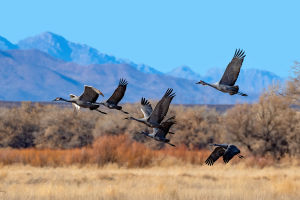
1. Protected areas serve as stepping stones for migrating species.
2. Community engagement strengthens policy support for environmental regulations.
3. Residents develop a culture of stewardship, passing awareness to future generations.
Actionable example: Volunteer with a neighborhood conservation group to maintain trails, remove invasive plants, or plant native trees. These small contributions safeguard local species and habitats.
Local wildlife is more than a background detail—it's an active part of our environment, supporting both ecological balance and human well-being. Every bird, insect, and small mammal is a reminder that our neighborhoods are shared spaces. Protecting them isn't just kindness; it's a practical step toward sustaining the delicate, interwoven systems that make life richer and healthier for all.