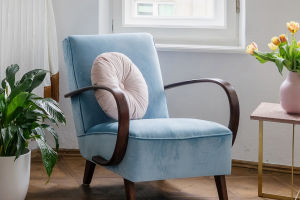
When we move into a newly finished home, the living room often feels empty and a little cold. The basic construction is done, but the atmosphere still needs personality and warmth.
Today, we are going to explore simple yet practical ways to shape a space that feels clean, cozy, and truly livable. If we pay attention to a few key details, the room can quickly become the heart of daily life.
Soft Color Choices for a Calm Atmosphere
We usually begin with color, because it sets the overall mood. Soft tones like ivory, light gray, sandy beige, or gentle cream help create a relaxed feeling. These shades reflect natural light well and make the space feel open rather than crowded.
Instead of mixing too many strong tones, we keep the palette simple. When we limit visual noise, the room naturally feels more balanced. Walls, large furniture pieces, and textiles should stay within a similar color family to maintain harmony.
Smart Furniture Arrangement with Practical Use
Next, we focus on furniture placement. The goal is to keep movement easy while avoiding clutter. We choose pieces that serve more than one purpose, such as storage-friendly sofas or tables with hidden compartments.
Simple shapes work best here. Straight lines and smooth edges help the room feel modern and organized. When arranging items, we leave enough open space between them so the area does not feel crowded. A clear layout helps daily living feel more comfortable and efficient.
Lighting That Brings Gentle Warmth
Lighting plays a major role in shaping the mood of a room. We prefer soft and warm lighting instead of harsh brightness. A layered lighting setup works well, combining ceiling lights, table lamps, and floor lamps.
Each light source has a different role. Ceiling lighting gives overall brightness, while smaller lamps create cozy corners for reading or relaxing. By adjusting light positions, we can easily change the feeling of the space depending on the time of day.
Simple Decorations That Add Personality
Decorations should feel light and thoughtful rather than overwhelming. We can choose a few meaningful items such as framed photos, ceramic pieces, or small artworks. These details bring life to the room without making it messy.
The key is moderation. Instead of filling every surface, we allow empty space to exist. This balance helps each decorative piece stand out naturally and keeps the environment visually calm.
Green Touches for Fresh Energy
Adding plants is one of the easiest ways to refresh a space. We can place low-maintenance greenery like hanging vines or leafy indoor plants in corners or near windows.
Plants introduce natural texture and a sense of calm. They also soften sharp edges from furniture and architecture. Even a single well-placed plant can make a noticeable difference in how the room feels.
Curtains That Complete the Look
Curtains are often underestimated, but they play a key role in finishing the overall style. We choose light fabrics that flow gently and allow natural light to pass through.
Neutral shades work best, especially soft whites, pale gray tones, or warm beige. The texture should feel simple rather than heavy or overly detailed. When curtains move naturally with air flow, the room feels more relaxed and welcoming.
Bringing Everything Together for Everyday Comfort
When we combine all these elements—color, furniture, lighting, decor, greenery, and fabric—the space slowly transforms. The goal is not to fill every corner, but to create a balanced environment where everything feels intentional.
A well-arranged living room does not rely on complexity. Instead, it relies on thoughtful choices and simple harmony. When we walk into the space at the end of the day, it should feel easy to breathe, rest, and recharge.
At the end of the day, your living room should be a true reflection of your personal comfort and a sanctuary for your senses. Whether you prefer an airy, bright atmosphere that energizes you or a deeply cozy retreat that helps you unwind, these simple shifts in light, color, and layout make all the difference. By making intentional choices today, you bridge the gap between a house that looks good and a home that feels right. Remember, a beautiful home isn't an overnight achievement—it is a living space that grows alongside you, evolving through thoughtful details and steady, mindful care.