There's a specific feeling that comes from a spring arrangement in February — something forced and slightly wrong about it, even when the individual flowers are beautiful.
Seasonal flowers don't just look right for their time of year. They're actually fresher, last longer, and cost less because they're being harvested at their natural peak rather than grown under artificial conditions out of sync with their biology.
Spring: Soft, Fresh, and Full of Energy
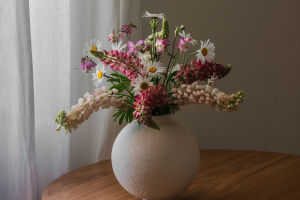
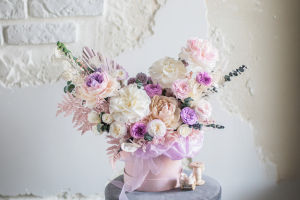
Spring arrangements lean on pastel palettes — pale pinks, buttery yellows, soft whites, fresh greens. The feeling is one of renewal and lightness. Tulips are sculptural and clean, with an almost graphic quality in arrangements. Ranunculus, with their tightly layered ruffled petals, are a favorite for spring weddings and have a remarkably long vase life for such a delicate-looking bloom. Daffodils signal winter's end with cheerful yellow and white; hyacinths add intense sweet fragrance and lush spikes in soft lavender, pink, and white. For greenery, fresh ferns and delicate trailing vines complement the lightness of spring blooms perfectly.
Summer: Bold, Abundant, and Unapologetically Colorful
Summer is about fullness and energy. This is the season for color-forward arrangements that feel abundant and alive. Sunflowers bring warm golden tones and a relaxed, confident character. Dahlias come into their peak in late summer, offering extraordinary variety in shape and an incredibly rich range of colors — from the softest peach to the deepest burgundy. Roses, hydrangeas, and lilies continue into summer from spring, reaching their peak quality in early to midsummer months. Design-wise, summer arrangements work best when they feel loose and lush rather than tight and formal. Pair one structured bloom, like a dahlia, with softer supporting flowers like lisianthus or garden roses for contrast without rigidity.
Autumn: Warm, Textural, and Rich
As temperatures drop, the palette shifts toward warm ochres, deep oranges, burgundies, and burnished golds. Chrysanthemums are one of autumn's most reliable workhorses, arriving in striking shapes far beyond the basic round variety — spidery, pompom, button, and cushion forms all available. Dahlias continue through early autumn. Celosias — with their velvety, brain-like or feathery forms — add distinctive texture and deep color. Asters bring a wildflower quality, a touch of the untamed. Pair these blooms with seasonal foliage — colorful maple leaves, pine sprigs, dried grasses — and consider adding natural elements like pinecones or seedpods to reinforce the harvest feel.
Winter: Elegant, Refined, and Sculptural
Winter arrangements move away from abundance toward something more intentional and structured. White dominates — white roses, paperwhites, hellebores, and anemones all contribute a quiet elegance. Amaryllis provides drama: tall, trumpet-shaped blooms that stand out against sparse evergreen arrangements with genuine presence. Evergreen foliage — cedar, pine, holly — adds lasting freshness and carries a familiar winter fragrance. Cool-toned greens and clean whites form the backbone of most winter designs, with blue anemones providing a striking contrast against soft neutrals. The overall feeling is calm, deliberate, and beautiful in its restraint.
Beyond aesthetics, there's a practical argument for seasonal blooms. Flowers in season arrive at their natural peak — richer in color, stronger in stem, more fragrant, and genuinely longer-lasting in the vase. They're also easier to source for larger orders, which reduces the chance of last-minute substitutions. And for anyone growing their own cutting garden or sourcing locally, seasonal flowers connect an arrangement to the actual world outside in a way that imported, counter-season blooms simply never quite manage.