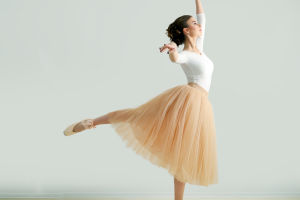
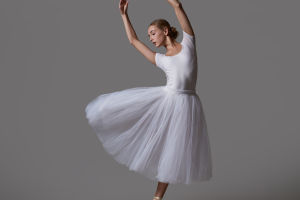
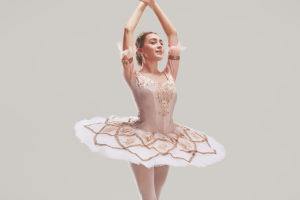
The first time you walk into a ballet class, the barre feels like a lifeline.
And honestly, it is. Everything in ballet — every leap, every turn, every breathtaking extension — traces back to a handful of foundational movements practiced quietly at the wooden rail.
Get those right, and the whole art form starts to open up.
The Five Positions: Your Starting Point
Ballet is built on five foot positions, and they're non-negotiable.
- First position: heels together with toes turned outward, forming a straight line.
- Second position: feet widened to shoulder-width apart.
- Third position: one foot overlaps the other, heel to arch.
- Fourth position: feet separated by one foot's length, with one arm raised.
- Fifth position: feet fully crossed, heel to toe, with both arms lifted overhead.
These aren't just shapes — they're the grammar of the language. Every step and combination grows from one of these five starting points. Beginners focus on the first three until the turnout feels natural rather than forced.
The Plié: Cornerstone of Everything
If there's one movement that underpins all of ballet, it's the plié. Meaning "to bend" in French, it's simply a knee bend performed with the back straight and heels grounded.
- Demi-plié: a small, controlled bend
- Grand plié: a deeper bend
Simple as it sounds, the plié teaches balance, alignment, and how to absorb the impact of landings without injury. Mastered properly, it's what makes ballet look effortless. Rushed, it can cause injury. Most classes begin every barre session with pliés for exactly this reason.
Tendu and Dégagé: Training the Feet
- Tendu ("to stretch") slides the working foot along the floor to a full point, then returns. It develops foot articulation, flexibility, and leg strength.
- Dégagé performs the same movement but lifts the foot slightly off the floor, placing more demand on the ankle and calf.
These exercises may look unspectacular, but they train the exact footwork that jumps and turns rely on. Speed and precision here translate directly into everything that happens later in center work.
Relevé and Elevé: Rising and Staying Up
- Relevé: rises from a plié onto the balls of the feet.
- Elevé: rises from a standing position.
Both strengthen the calves, feet, and ankles — forming the foundation for pirouettes and, eventually, pointe work. In early training, these are done at the barre so the dancer can focus entirely on alignment and the quality of the rise rather than struggling for balance. The goal is smooth, controlled, and even — not just height.
Port de Bras: The Arms Matter Too
Ballet isn't all about legs. The arms — referred to as port de bras — are equally essential to the art's visual quality.
They move in coordinated paths through rounded positions, sweeping from low fifth through first and second, always with soft wrists and relaxed fingers. Stiff or awkward arms ruin the line of an otherwise technically sound dancer. Beginners often underestimate how much the arms communicate — and how much practice they require.
Barre First, Then Centre
Every class follows the same structure for good reason. Barre work builds the technical foundation and warms the body with supported exercises.
Centre work then takes those same elements — pliés, tendus, relevés — and removes the support, demanding balance and control in open space. The jump from barre to centre is where the real training happens because suddenly the body must hold everything together on its own.
Mastering the basics of ballet is not about grandeur or flashy moves — it's about building a solid foundation. The five positions, pliés, tendus, relevés, and port de bras form the core language of dance. Progress may be quiet and cumulative, but each step, each repetition, strengthens the body and mind. Once the basics become instinctive, the true artistry of ballet emerges — effortless, graceful, and powerful.