Hi, Lykkers! The Philippines has a rich fashion heritage shaped by traditional craftsmanship, regional textiles, and generations of artistic creativity.
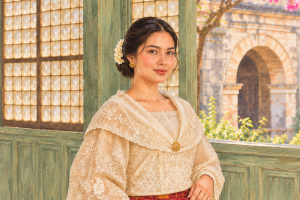
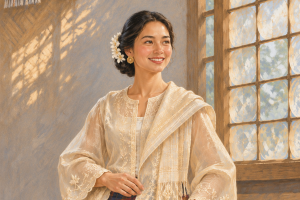
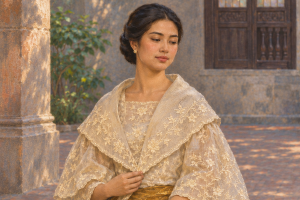
Among its most recognizable garments is the Filipina terno, an elegant dress distinguished by its structured silhouette and signature butterfly sleeves.
In Iloilo, this traditional style offers an interesting connection between Filipino fashion and the region's remarkable textile-making traditions.
The terno represents more than an elegant outfit. Its distinctive design reflects the creativity of Filipino designers, the skills of local artisans, and the continuing appreciation for handmade fabrics. Through contemporary interpretations and traditional materials, the Filipina terno remains a meaningful expression of Filipino identity and fashion.
Understanding the Traditional Filipina Terno
The Filipina terno is a formal women's dress recognized for its matching bodice and skirt, which are joined into a single garment. Its most distinctive feature is the butterfly sleeve, designed to extend outward from the shoulders with a structured, elegant shape.
The dress typically features a fitted waist and a flowing skirt that may be rounded, flared, or extended into a train. Depending on the design, it can also incorporate delicate embroidery, decorative appliqués, lace, and carefully selected fabrics.
One of the most interesting aspects of the terno is its versatility in formal fashion. It is commonly worn during cultural celebrations, weddings, fashion exhibitions, graduation ceremonies, and other special occasions.
Although traditional ternos are often associated with classic silhouettes and elaborate detailing, contemporary designers have introduced variations that make the garment more adaptable to modern preferences.
Iloilo's Connection to Traditional Textile Craftsmanship
Iloilo is widely recognized for its textile heritage, particularly the production of hablon, a traditional handwoven fabric associated with communities such as Miag-ao.
Hablon is created using traditional looms, where skilled weavers carefully interlace threads to produce distinctive patterns and textures. Cotton and other textile fibers are used to create fabrics featuring stripes, checks, and colorful geometric arrangements.
The finished material is appreciated for its durability, attractive appearance, and handmade character. Although hablon is commonly used for clothing, household textiles, and accessories, it also offers interesting possibilities for contemporary Filipiniana fashion.
Designers can incorporate hablon into terno-inspired creations through decorative panels, fabric accents, or coordinated accessories. This combination introduces a regional textile identity while maintaining the recognizable elegance of the traditional dress.
The Beauty of Butterfly Sleeves and Fine Details
The butterfly sleeves are the defining feature that makes the Filipina terno instantly recognizable. Their structured construction creates a distinctive shoulder silhouette, adding elegance and visual balance to the overall outfit.
Creating these sleeves requires careful pattern-making and construction. Fabric must be measured, shaped, and supported to maintain its characteristic form without making the garment uncomfortable.
Traditional ternos often feature delicate materials such as piña and jusi. Piña is made from fibers extracted from pineapple leaves and is particularly valued for its lightweight texture, natural sheen, and suitability for intricate embroidery.
Jusi is another fabric associated with formal Filipino clothing. Its smooth texture and elegant appearance make it suitable for creating refined garments.
Embroidery adds another layer of artistic detail. Floral motifs, leaves, and flowing decorative patterns are frequently used to enhance the bodice, sleeves, and skirt. These details demonstrate the patience and technical ability required to produce beautifully finished traditional garments.
Modern Terno Fashion in Iloilo
Contemporary fashion has created new opportunities to introduce the Filipina terno to younger generations. In Iloilo, the region's textile resources and growing appreciation for local craftsmanship provide inspiration for modern Filipiniana designs.
Some contemporary interpretations feature shorter skirts, simplified butterfly sleeves, lighter fabrics, and less elaborate embroidery. Others combine traditional silhouettes with modern tailoring techniques and contemporary color palettes.
Hablon can also be incorporated into modern formal outfits, offering an alternative to conventional materials. Its distinctive woven patterns can create attractive contrasts when paired with plain fabrics and structured sleeves.
Accessories play an important role in completing the look. Simple earrings, elegant footwear, decorative hairpieces, and handcrafted bags can complement the outfit without distracting from its distinctive design.
These styling possibilities demonstrate that traditional Filipino clothing can remain relevant in contemporary fashion while retaining its recognizable features.
Where Traditional Craftsmanship Meets Contemporary Design
The connection between Iloilo's textile heritage and the Filipina terno highlights the importance of preserving traditional craftsmanship. Handwoven fabrics and carefully embroidered garments represent skills that require years of practice and knowledge passed between generations.
Supporting local weavers, purchasing handmade products, and participating in cultural exhibitions can help sustain these creative industries. Fashion designers also contribute by introducing traditional materials into collections that appeal to modern consumers.
Beyond clothing, hablon techniques can inspire accessories, decorative pieces, and other lifestyle products, creating additional opportunities for local artisans.
A Timeless Expression of Filipino Elegance
The Filipina terno in Iloilo represents a beautiful meeting point between traditional fashion and regional creativity. Its signature butterfly sleeves, graceful silhouette, and detailed craftsmanship continue to demonstrate the artistic richness of Filipino clothing.
Combined with Iloilo's distinctive hablon textiles and appreciation for handmade products, the terno offers opportunities for meaningful contemporary fashion interpretations.
As designers and artisans continue to explore new possibilities, this elegant garment remains an enduring symbol of Filipino creativity, craftsmanship, and cultural pride.